
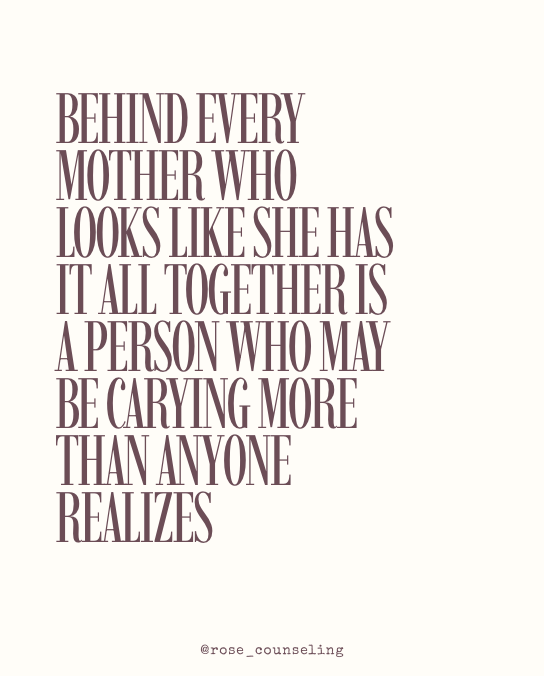
You Don’t Have to Walk This Journey Alone: The Importance of Perinatal MentalHealth, Loss, and Community
The Importance of Perinatal Mental Health, Loss, and Community
There are certain seasons of life that can hold more emotions than we ever imagined possible.
Pregnancy and becoming a parent can be filled with excitement, hope, anticipation, and love. But they can also bring fear, uncertainty, exhaustion, anxiety, grief, and sometimes emotions that are difficult to put into words.
Recently, I had the opportunity to attend a conference focused on perinatal mental health, pregnancy, postpartum care, and loss and grief. I left the conference carrying a deeper understanding of just how important it is that we talk about these experiences openly and how important it is that no one feels they have to navigate them alone.
One of the biggest reminders for me was this:
Mental health matters throughout the entire pregnancy journey.
Pregnancy Is More Than a Physical Journey
Pregnancy is often discussed in terms of physical health: prenatal appointments, nutrition, medications, ultrasounds, blood pressure, and preparing for birth.
But pregnancy is also an emotional and psychological journey.
There may be changes in identity, relationships, expectations, body image, family dynamics, finances, work, and one’s sense of self. Previous experiences can also resurface during pregnancy, including trauma, anxiety, depression, infertility, difficult pregnancies, or previous losses.
For some, pregnancy after loss can be particularly complicated.
A pregnancy that others see as joyful may be accompanied by fear.
What if something happens again?
Can I allow myself to become attached?
What if I get excited and then lose everything?
Is it okay to be happy when I am still grieving?
These experiences can coexist. Someone can feel grateful and terrified. Hopeful and sad. Excited and overwhelmed.
There is room for all of those emotions.
When Pregnancy and Grief Exist Together
Pregnancy loss, miscarriage, stillbirth, infant loss, and other forms of reproductive loss can create a grief that is incredibly difficult to explain.
Grief after loss does not simply disappear because time passes. It may change, become quieter, or appear unexpectedly. And for someone experiencing a subsequent pregnancy, the pregnancy itself can bring those emotions back to the surface.
Postpartum Support International (PSI) recognizes pregnancy, post-loss, and postpartum experiences as part of the perinatal period and provides specific resources for individuals experiencing loss and grief. PSI notes that loss can be associated with increased risk for depression, anxiety, and symptoms of PTSD, emphasizing the importance of compassionate support and connection.
This is why grief needs to have a place in conversations about perinatal mental health.
We do not need to rush people through grief.
We do not need to find the “right” words to make it better.
Sometimes, what someone needs most is simply for another person to say:
“I see you. I remember. Your experience matters. You don’t have to go through
this alone.”
Learning to Recognize the Warning Signs
Another important takeaway from the conference was the value of recognizing changes in mental health early.
Perinatal depression and anxiety are not simply a person being "hormonal," overly emotional, or struggling to adjust to parenthood. They are real and treatable mental health concerns that can occur during pregnancy, after birth, and following a loss.
Some signs that additional support may be helpful include:
Persistent sadness, hopelessness, or feeling emotionally numb
Excessive worry or fear that feels difficult to control
Frequent panic or feeling constantly on edge
Intrusive or frightening thoughts
Significant changes in sleep or appetite beyond what would be expected
Difficulty connecting with or enjoying things that once brought pleasure
Feeling overwhelmed or unable to manage everyday responsibilities
Intense guilt, shame, or feelings of inadequacy
Withdrawal from family, friends, or other sources of support
Difficulty bonding or feeling connected
Increased irritability or anger
Re-experiencing a traumatic pregnancy, birth, or loss
Feeling disconnected from oneself or one's surroundings
These symptoms deserve attention not judgment.
Postpartum Support International recommends routine screening for perinatal mood and anxiety disorders during pregnancy and postpartum, emphasizing that screening should be connected to appropriate follow-up, treatment, and support.
And perhaps most importantly, you do not have to wait until things become unbearable before reaching out.
You do not need to have the “right” diagnosis.
You do not need to prove that you are struggling enough.
You are allowed to ask for help simply because something doesn’t feel right.
The Power of Community
One of the most meaningful themes I took away from this experience was the importance of community.
Mental health care does not happen in isolation.
A therapist can be part of someone’s support system. So can a partner, friend, parent, sibling, doula, midwife, OB/GYN, pediatrician, support group, peer mentor, or another parent who understands what it feels like to walk through something similar.
Sometimes healing begins with one conversation.
Sometimes it begins with someone sitting beside you and saying, “You don’t have to carry this by yourself.”
Community can also be especially important following pregnancy or infant loss. Grieving parents may feel isolated when the world around them seems to continue moving forward. Their grief may not always be visible, but that does not make it any less real.
We can create healthier communities by learning to ask better questions.
Instead of:
“Are you excited?”
We might also ask:
“How are you really doing?”
Instead of:
“You must be so happy.”
We might say:
“There can be a lot of emotions during this time. I’m here if you want to talk.”
And instead of assuming someone has moved on, we can remember that grief does not follow a calendar.
Support Can Begin Before You Need It
One of the things I hope we continue to normalize is creating a mental health support plan before a crisis occurs.
Just as we prepare for childbirth, we can prepare for emotional wellness.
Consider asking yourself:
Who can I call when I am overwhelmed?
Who makes me feel safe and supported?
What are my signs that I am struggling?
Who can help me with practical responsibilities?
What mental health resources are available in my community?
Have I talked with my healthcare provider about my emotional well-being?
Would connecting with a therapist or support group be helpful?
If I have experienced a previous loss, what additional support might I need during this pregnancy?
Having these conversations doesn’t mean something will go wrong.
It means you are recognizing that your mental health deserves the same preparation and care as your physical health.
You Are Not Alone
Postpartum Support International offers a wide range of resources for individuals and families navigating pregnancy, postpartum experiences, and loss. Their resources include support groups, provider directories, peer support, support navigators, educational materials, and specialized resources for pregnancy and infant loss.
PSI also offers a HelpLine at 1-800-944-4773 (4PPD) by call or text, as well as connections to support and resources. The National Maternal Mental Health Hotline is available at 1-833-852-6262 for pregnant and postpartum individuals in the United States.
You can explore resources through Postpartum Support International.
And if you are experiencing thoughts of harming yourself or someone else, experiencing a mental health emergency, or feel that you are not safe, call or text 988 or seek emergency medical care.
A Final Thought
The perinatal journey is not one single experience.
It is different for every person.
For some, it may be filled with excitement and ease. For others, it may include infertility, complicated pregnancies, birth trauma, postpartum depression or anxiety, difficult transitions, pregnancy after loss, or profound grief.
And for many people, it may include several of these experiences at the same time.
We need to make space for the whole story.
The joy.
The fear.
The grief.
The hope.
The uncertainty.
The love.
And everything in between.
Attending this conference reminded me that one of the greatest gifts we can offer someone during this vulnerable season is connection. Sometimes healing doesn’t begin with having all the answers. Sometimes it begins with knowing that someone is willing to sit beside you while you find your way.
You don’t have to walk this journey alone.
At Rose Counseling Services, we believe that reaching out for support is not a sign of weakness. It is part of caring for yourself and creating a strong foundation for the journey ahead. Whether you are navigating pregnancy, postpartum adjustment, pregnancy after loss, grief, anxiety, depression, or simply trying to make sense of everything you are feeling, support is available.
Your story matters.
Your grief matters.
Your mental health matters.
And you matter.

Thoughts on the Vagus Nerve and GLP-1
Are you conscious of your vagus nerve?
The Vagus nerve plays an essential role in communication between the brain and the digestive system. The vagus nerve is able to relay the message from your gut to your brian in a way that influences our eating habits; The nerve is working to understand “food noise” which is our bodies drive to consider food throughout the day even when we are not hungry. When the vagus nerve is functioning properly, our bodies are receiving a normal amount of food noise.
However when there is a disruption to the nerve, the incorrect amount of food noise can be relayed which can lead to increased amounts of food noise. Vagal neurons are sent to the brain regarding the fats that have made it to the liver following eating, this produces a sense of fullness 15- 20 minutes after eating. Lasting feelings of hunger following eating may indicate an issue with the vagus nerve.
This could be a sign that something might be off-balanced within one's body. It's important to remember that you are not alone in a battle against food noise, and being kind and compassionate with yourself while working towards finding a solution is imperative. Recovery takes time and small steps each day help lead to an overall change. One can focus on maintaining or improving vagus nerve health by reducing/managing stress by practicing deep breathing or mindfulness. Reducing inflammation by ensuring sufficient sleep, physical activity and diet can all help with the proper functioning of the vagus nerve.
Find the Inspiration of this blog here.
Schema Secrets
Is it even a secret anymore?
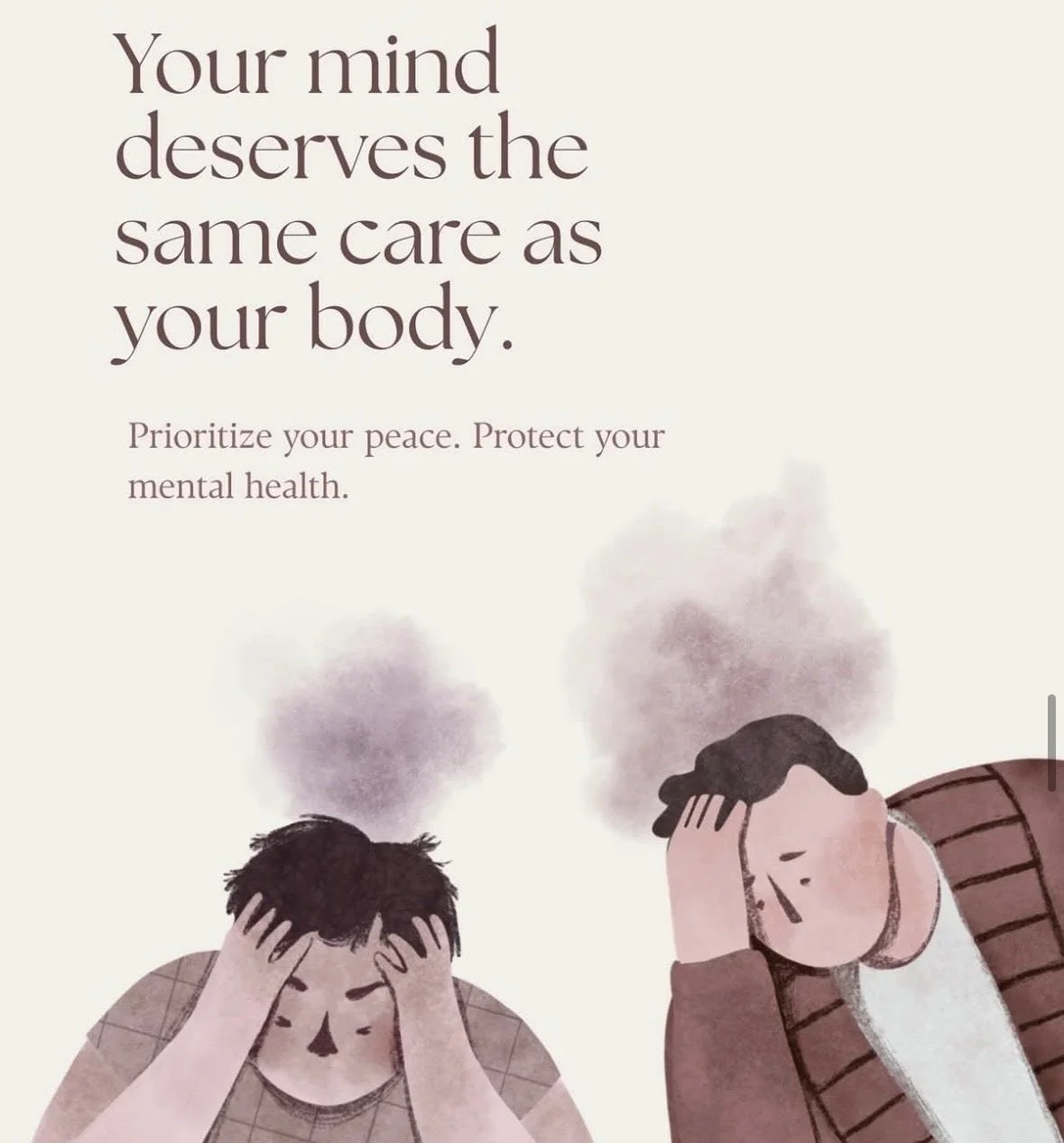
Schemas are a mental shortcut that allows for us to organize information about ourselves and the world around us, they help create a pattern for behaviors and actions. While these can be useful, they can also hinder our growth as we progress through life. Once we set a pattern for ourselves for how we should behave in a situation it can be difficult to break said pattern. Most of the time these patterns were created to protect us from some event or response from our childhood, and while they were an important tool back then, they are most likely not needed anymore. Finding the root cause for particular schemas can help break the pattern down and reveal the reasoning behind the schema, and hopefully allow for insight on why this way of thinking is not beneficial for a person anymore as they grow.
While working on breaking these patterns, it's important to be compassionate to oneself. As these schemas did have a purpose at one point, and you are not to blame for them. However, it is important that we acknowledge them so that we can work on making a change in behavior and actions to break these patterns.
Find the inspiration for this blog here.
The Overthinking Detox: Find Your Mental Peace
Stopping you in your tracks!
Many people can find themselves stuck in their head when given a decision to make, especially if it is one that is stressful. Overthinking might seem like the natural reaction to situations like this, however this could lead to overthinking bleeding into someone's everyday life. Creating a habit of overthinking will only further complicate someone's life, despite this overthinking can be overcome! Understanding why one is overthinking is the first step to dismantling these overbearing thoughts.
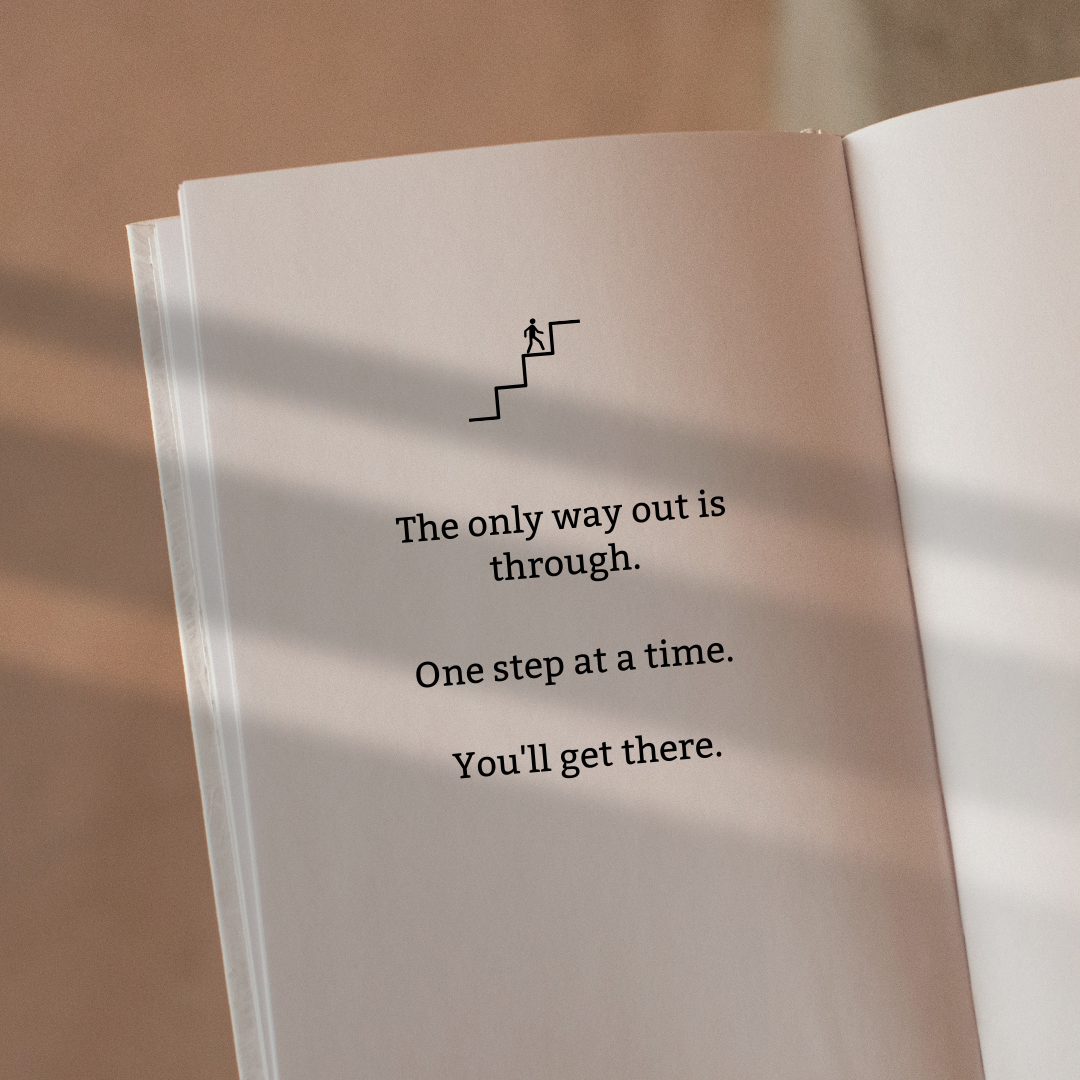
Giving yourself a time frame to make a decision can help stop overthinking from consuming the overall goal at hand. By also understanding that not everything can be solved at once can help lighten the weight of a decision; breaking it up into parts and working at each one separately is a great way to take baby steps towards your final goal, and with more things accomplished and finalized, there is less room for overthinking. One of the best things you can do is work on building trust in yourself.
Once you begin to trust your ability to make the correct decisions for yourself and take action on things, the easier it becomes to let go of the anxiety and overthinking that comes with decision making. Taking small actions to get yourself out of this line of thinking will be the catalyst to creating change.
Find the inspiration for this blog here.